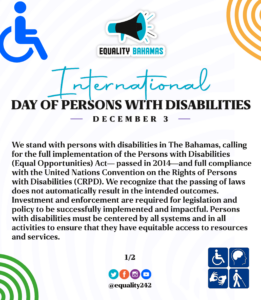
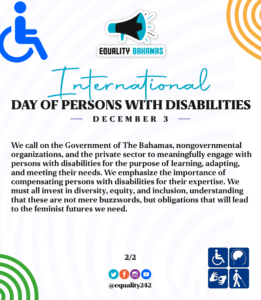
Today is International Day of Persons With Disabilities.
We stand with persons with disabilities in The Bahamas, calling for the full implementation of the Persons with Disabilities (Equal Opportunities) Act— passed in 2014—and full compliance with the United Nations Convention on the Rights of Persons with Disabilities (#CRPD). We recognize that the passing of laws does not automatically result in the intended outcomes. Investment and enforcement are required for legislation and policy to be successfully implemented and impactful. Persons with disabilities must be centered by all systems and in all activities to ensure that they have equitable access to resources and services.
We call on the Government of The Bahamas, nongovernmental organizations, and the private sector to meaningfully engage with persons with disabilities for the purpose of learning, adapting, and meeting their needs. We emphasize the importance of compensating persons with disabilities for their expertise. We must all invest in diversity, equity, and inclusion, understanding that these are not mere buzzwords, but obligations that will lead to the feminist futures we need.
https://equalitybahamas.com/wp-content/uploads/2023/11/News2.png10001000biancaghttps://equalitybahamas.com/wp-content/uploads/2023/11/equality_bahamaslogo.pngbiancag2023-12-03 15:24:252023-12-19 15:35:50International Day of Persons With Disabilities
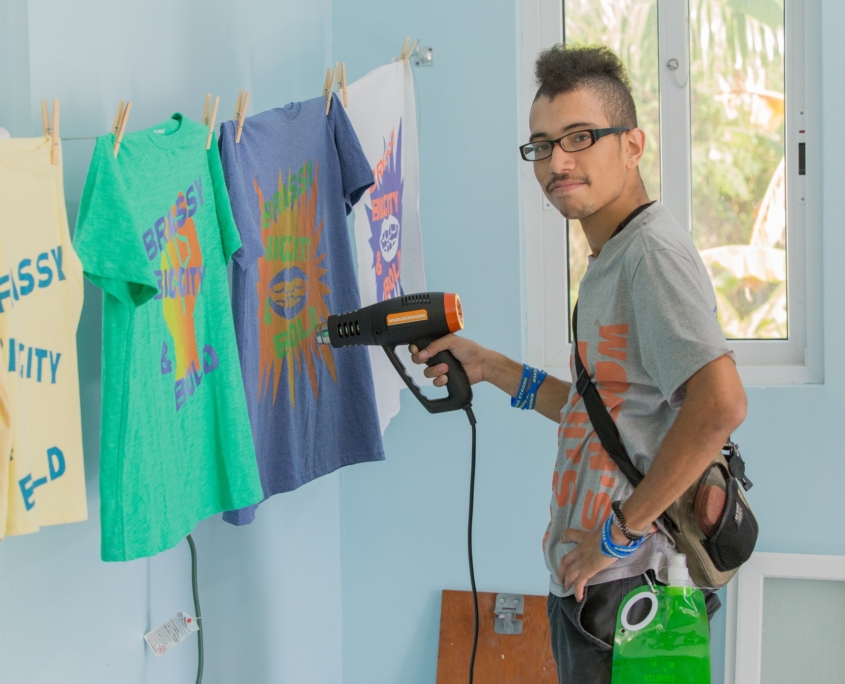
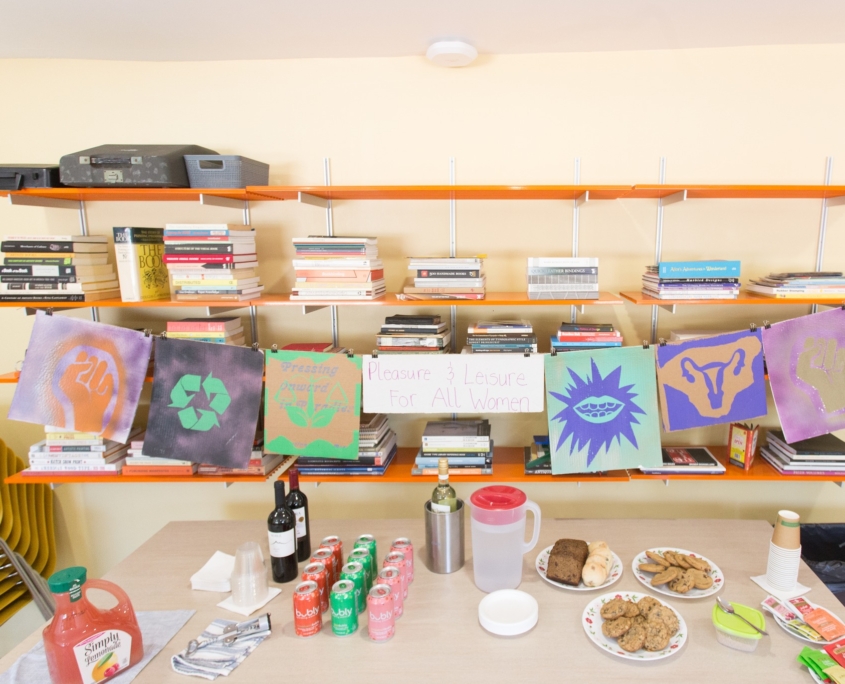
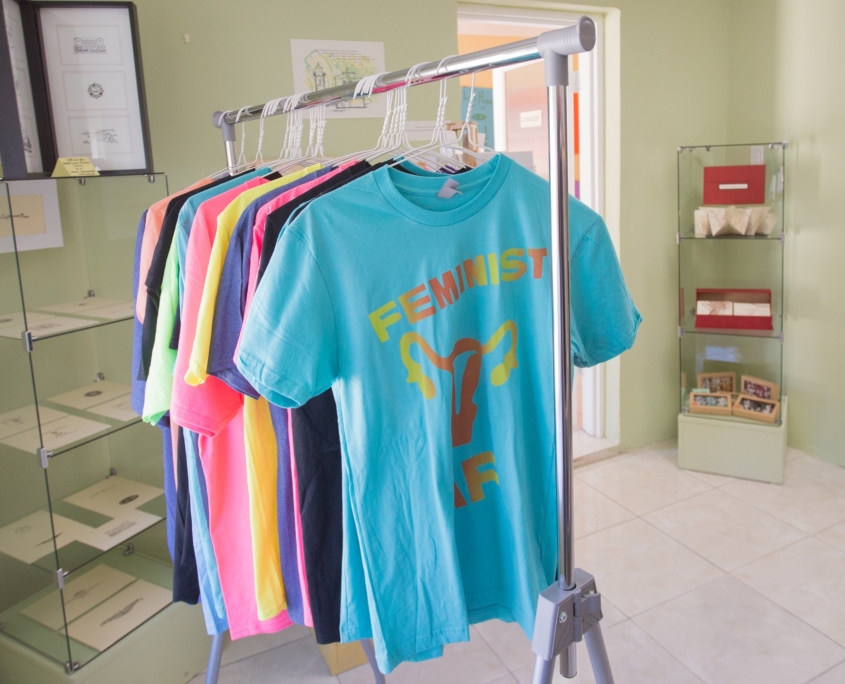
BRASSY, BIGGITY & BOLD
Sunday, March 26 2023
11am to 4pm Poinciana Paper Press, 12 Parkgate Road
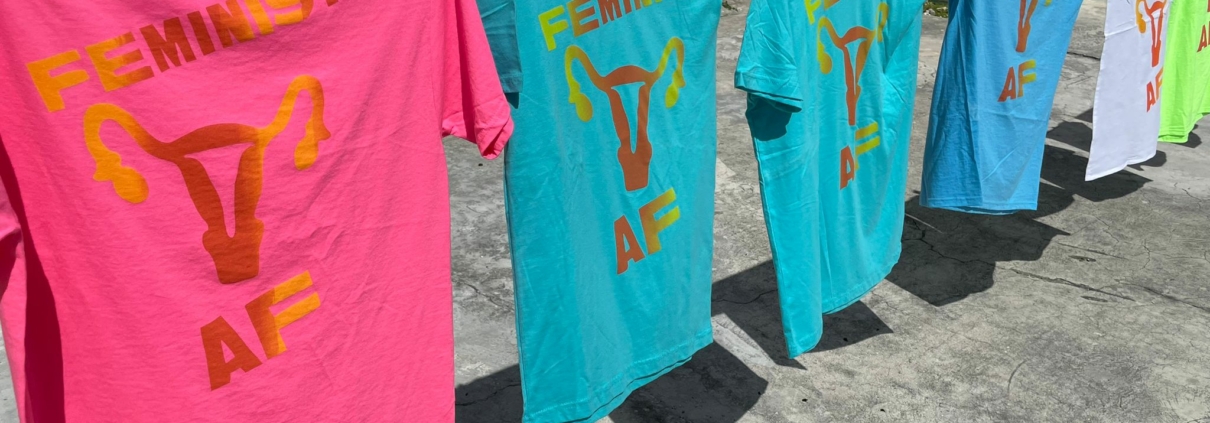
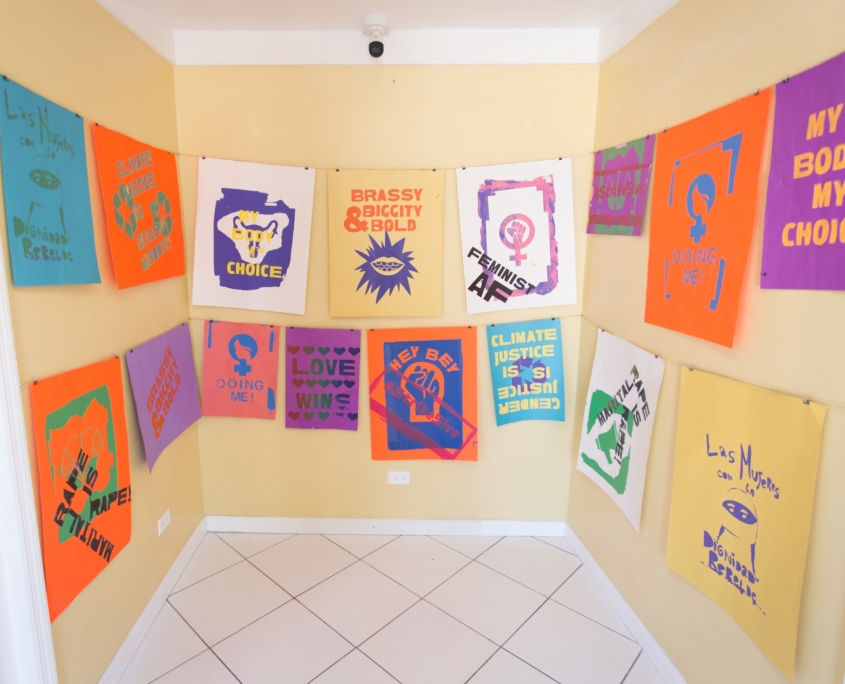
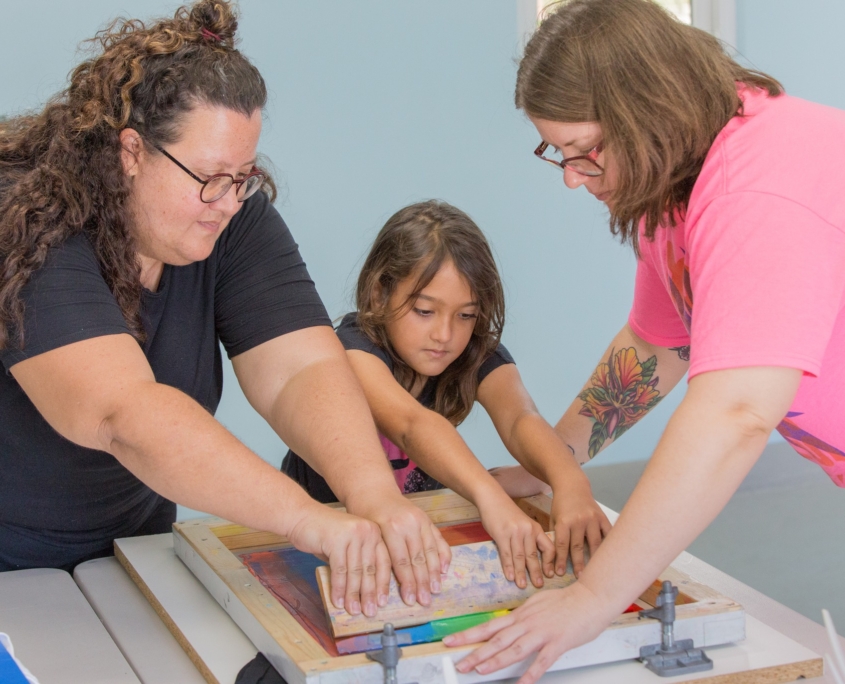
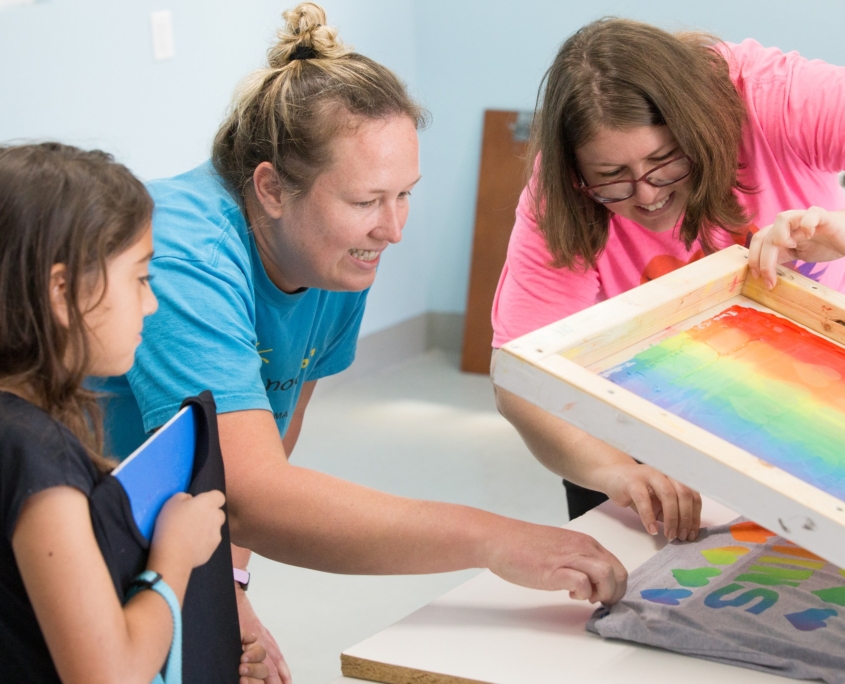
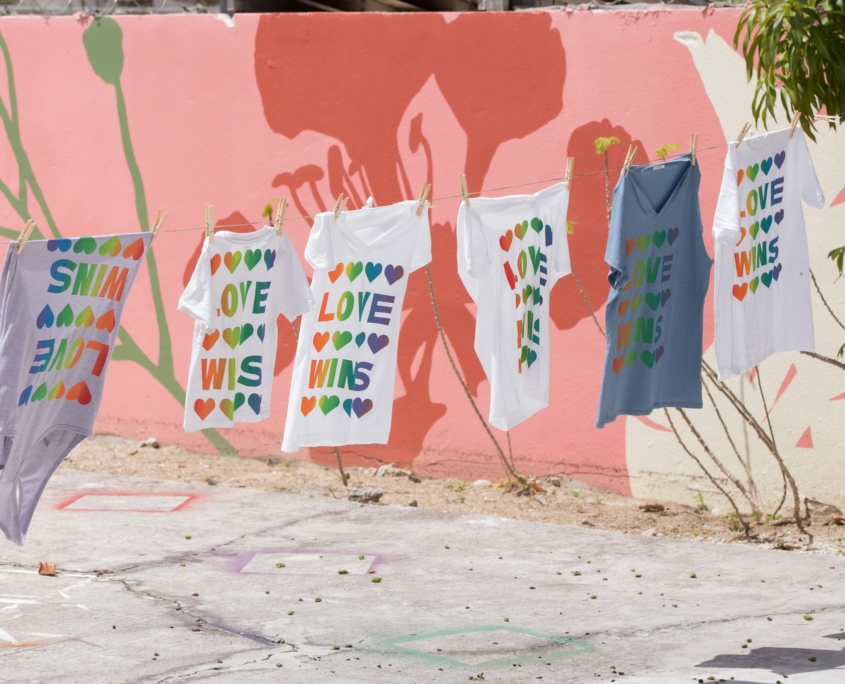
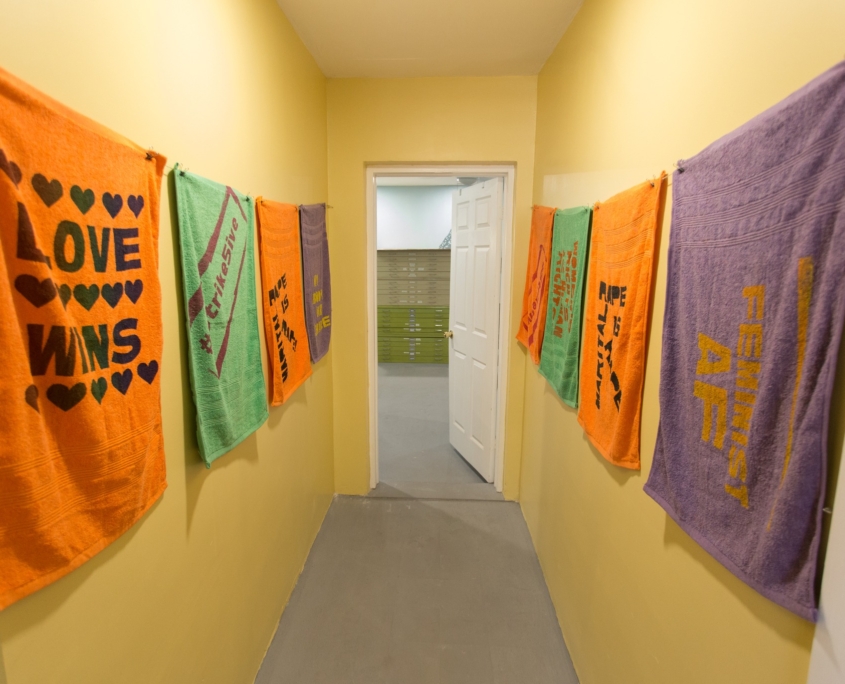
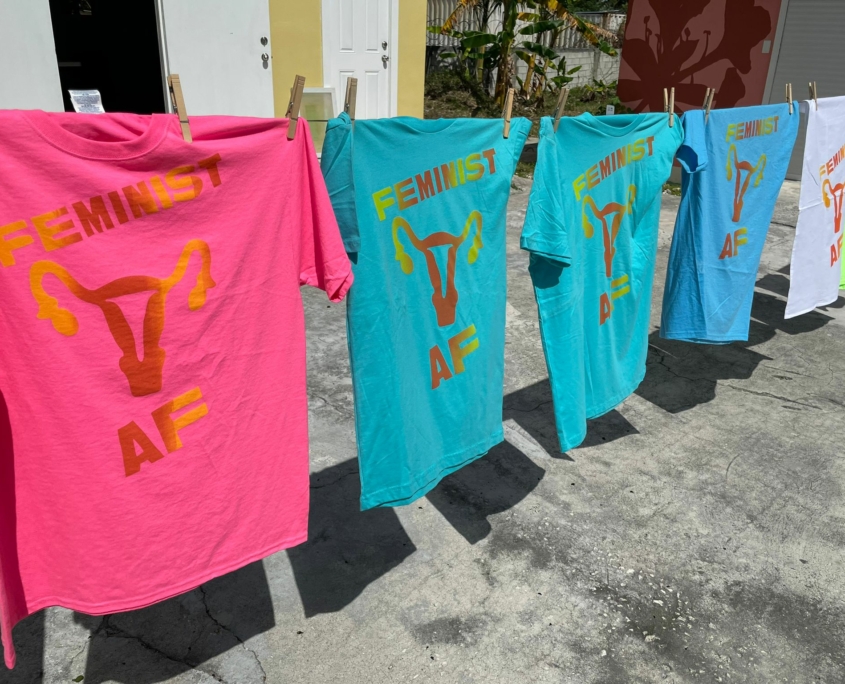
We had a great time and raised some funds for both Ponciana’s silkscreen efforts and for Equality Bahamas programming. There were International Women’s Day signs on display, as well as the opportunity to silkscreen your own t-shirt or tote bag with one of the signs we carried at the #IWD242 March and displayed at the Expo!
https://equalitybahamas.com/wp-content/uploads/2023/12/brassybiggitybold.jpeg15362048biancaghttps://equalitybahamas.com/wp-content/uploads/2023/11/equality_bahamaslogo.pngbiancag2023-03-26 17:48:452023-12-19 17:57:56“Brassy, Biggity and Bold” – a pop-up exhibition from IWD242
On October 7, 2021, Humanist International published a Freedom of Thought report focusing on key issues in The Bahamas —
Constitution and government, Education and children’s rights, Family, Community, and Society, and Freedom of expression, advocacy of humanist values.
Equality Bahamas’ work was highlighted specifically under woman’s rights, Family, Community, and Society.
Equality Bahamas, a volunteer-run organization reports that issues of discrimination, misogyny, homophobia and transphobia are “amplified by religious fundamentalism and antiquated laws and policies,” arguing that such issues are exacerbated by governments acquiescing to the wishes of religious leaders.
A report by Equality Bahamas has underlined the difficulties in reporting domestic violence to the police. The police in some cases do not respond to calls regarding domestic violence. The report highlights the role of Christian expectation of women’s submission and gender stereotypes plays in this issue. These factors according to the volunteer groups are perpetuated by “people and organizations in authority such as the church. It is frequently said that women are to submit themselves to their husbands, seemingly without any form of reciprocation or responsibility on the part of the husbands.
Read the full report from Humanist International here.
https://equalitybahamas.com/wp-content/uploads/2023/11/News2.png10001000biancaghttps://equalitybahamas.com/wp-content/uploads/2023/11/equality_bahamaslogo.pngbiancag2021-10-07 17:45:172024-02-08 17:53:49Equality Bahamas featured in Humanist International’s “Freedom of Thought Report”
We are drafting policy recommendations on ending gender-based violence to be sent to the government later this month. In addition to the collaborative working session last week on Wednesday, we’ve put together this 8-question survey to facilitate more contributions from the public. Please take 10 minutes to share your ideas.
On July 1st 2020, The Queen’s Commonwealth Trust brought together young leaders from its network and QCT President and Vice-President, The Duke and Duchess of Sussex, for a conversation on fairness, justice and equal rights as part of an ongoing series of youth-led discussions.
Hosted by Chrisann Jarrett, QCT Trustee and co-founder and co-CEO of We Belong, the discussion also included: Alicia Wallace, director of Equality Bahamas; Mike Omoniyi, founder and CEO of The Common Sense Network; and Abdullahi Alim who leads the World Economic Forum’s Global Shapers network of emerging young leaders in Africa and the Middle East.
In this film, we are sharing key moments from the conversation as participants discussed why issues of injustice matter for us all today, the opportunity to come together to make a difference and the role young people play in driving systemic change for the better. The Duke and Duchess shared their collective hope and optimism for a better future driven by young people and acknowledged the energy and commitment stemming from the rising generation of leaders.
https://equalitybahamas.com/wp-content/uploads/2023/11/News2.png10001000biancaghttps://equalitybahamas.com/wp-content/uploads/2023/11/equality_bahamaslogo.pngbiancag2020-07-01 12:01:272024-02-21 12:03:23Equality Bahamas Founder Alicia Wallace takes part in conversation on fairness and justice with The Duke and Duchess of Sussex
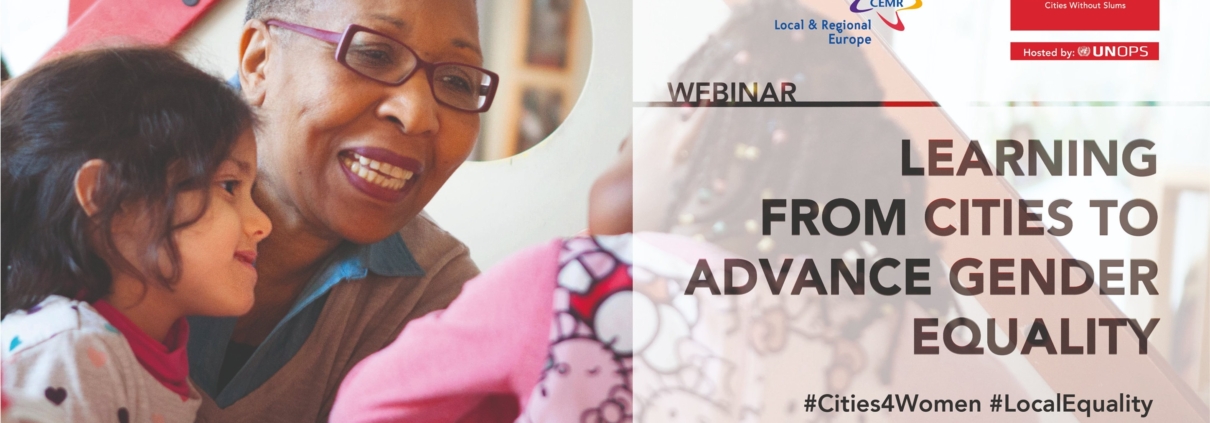
We’re participating in the Learning from Cities to Advance Gender Equality webinar — organized by Cities Alliance, UNOPS, and CCRE CEMR Local & Regional Europe — on Friday June 26, 2020 at 9am EST.
We’ll be talking about the #FeministPolicy statement by Feminist Alliance for Rights – FAR the EU Gender Action Plan, and ways the #COVID19 crisis has led to deeper thinking about and planning for centralizing gender and vulnerable communities in action plans for and beyond cities.
More info: https://www.citiesalliance.org/newsroom/events/webinar-learning-cities-advance-gender-equality
https://equalitybahamas.com/wp-content/uploads/2024/02/106453672_3134168100009712_58081212750975650_n-scaled.jpeg12802560biancaghttps://equalitybahamas.com/wp-content/uploads/2023/11/equality_bahamaslogo.pngbiancag2020-06-26 13:21:252024-02-22 13:23:18Equality Bahamas participating in the Learning from Cities to Advance Gender Equality webinar
The third session of the Queen’s Commonwealth Trust’s discussion series on Justice, fairness and equal rights took place on Friday 19th June 2020. Hosted by Equality Bahamas founder Alicia Wallace, this session explored the history of injustice and why change matters for everyone right now. We heard perspectives from across the Commonwealth on some of the systemic issues that exist and the various issues that young people want to raise awareness of and discuss during this time.
The second session of the Queen’s Commonwealth Trust series on Justice, fairness and equal rights took place on Friday 12th June. Hosted by Equality Bahamas founder Alicia Wallace, watch this interactive session which explores how people are responding to the #BlackLivesMatter movement in different ways and learn more about avoiding pitfalls in getting involved as young leaders across the Commonwealth contribute their thoughts and advice on the actions people are taking.
Last week, the Queen’s Commonwealth Trust kicked off a series of open discussions with our network of young leaders about justice, fairness and equal rights.
Our first session was held on Friday 5th June and hosted by Alicia Wallace, Equality Bahamas founder, Izzy Obeng, Founder of Foundervine and founder of The Common Sense Network, Mike Omoniyi.
The conversation focused on the actions young people around the world are currently taking to participate in the #BlackLivesMatter movement, the resources they recommend, and some of the gaps and opportunities that exist.
Equality Bahamas issues a statement on marital rape in The Bahamas Weekly on February 5, 2020.
From The Bahamas Weekly:
Equality Bahamas draws attention to the current situation wherein The Bahamas is in contravention with the Convention on the Elimination of All forms of Discrimination Against Women, Belem Do Para, and numerous other conventions with its Sexual Offenses Act which provides a definition of rape that ensures women have no legal recourse when sexually violated by their spouses. The issue has been raised numerous times including the 2009 tabling of the Marital Rape Bill by Loretta Butler-Turner and the statement by United Nations Special Rapporteur on Violence Against Women Dubravka Šimonović in 2017 following her country visit. Now, on the heels of participation in a meeting on reforming discriminatory laws convened by the Equality and Justice Alliance (EJA) in St. Lucia, Speaker of the House Halson Moultrie has made wrongheaded remarks spurring commentary from the public.
Moultrie clearly spoke from a personal point of view, allowing his religious affiliations to overshadow his role as a legislator. There is no way to simultaneously believe that a woman should have bodily autonomy and that, in a marriage, a spiritual oneness means one person cannot physically violate the other. It is clear that legislators know this is not true as charges can be pressed against a spouse for domestic violence.
Contrary to Moultrie’s comment, the spiritual interpretation is the most dangerous option. It is the interpretation that leads to the right to bodily autonomy being violated and the sanctioning of sexual violence. It is the interpretation that assumes a woman loses her personhood and ability to give or withhold consent when she marries, thereby becoming a sex object. Equality Bahamas rebukes this notion and implores everyone to free themselves of this fallacy.
Director of Equality Bahamas Alicia Wallace said, “We call on Moultrie to respect his own position and conduct himself a representative of the people, responsible for the protection of vulnerable people and a participant in the legislative process in a democracy that regards that responsibility with seriousness and dedication. The country does not need to hear about religious texts or interpretations when we are faced with laws that are discriminatory, fail to protect vulnerable people, and are inarguably unequal, particularly when their drafting was already influenced by a religion to which the law does not require the people to subscribe.”
We cannot continue to impede progress, realization of human rights, or access to justice with religious rhetoric. We cannot continue to govern The Bahamas in five-year cycles with representatives more concerned about favor with groups like Bahamas Christian Council and re-election than they are with building a better country and improving conditions for women, children, differently-abled people, people experiencing poverty, LGBTQ+ people, migrants, and other vulnerable communities.
Marital rape has been criminalized in dozens of countries over the past three decades including South Africa in 1993, United Kingdom in 1994, Trinidad and Tobago in 2000, Rwanda in 2008, Guyana in 2010, Grenada and Sierra Leone in 2012, St. Vincent and the Grenadines in 2015, and Dominica in 2016. Director of Equality Bahamas Alicia Wallace said, “It is unacceptable for the marital rape issue to be constantly put on the back burner. Nothing is more important that the safety and wellbeing of residents of The Bahamas. The Bahamas has chosen to sign conventions, takes advantage of opportunities to perform before treaty bodies, but often fails to do the work. It is time to meet these obligations, not only to satisfy the requirements of external bodies we have chosen to engage, but to expand the human rights of the Bahamian people and, in particular, women.”
Reports like Criminalization of Marital Rape and Intimate Partner Sexual Violence Across the Commonwealth – authored by Bahamian attorney-at-law, CEDAW Committee member, and women’s rights advocate Marion Bethel – are critical to the process of advancing women’s rights. Ms. Wallace said, “It is unfortunate that the government of The Bahamas responds most, best, and loudest to international embarrassment. It is also incomprehensible that Moultrie would speak to the content of the report or media would report on it without noting and explicitly stating its Bahamian authorship as is clearly noted on page two of the document. We must understand issues of women’s rights as close to us, part of our daily lives, and worthy of our attention.” Equality Bahamas extends its thanks to Ms. Bethel for her work on the thorough report now being shared across the Commonwealth as a guide and motivation to governments, nongovernmental organizations, and the general public.
Equality Bahamas calls on Attorney General Carl Bethel to prioritize Bahamian women and finish what was started with the drafting of the marital rape bill. We encourage Mr. Bethel to find the motivation he had in 2017, to call rape by its name and not be persuaded to create another category to appease men, and to move expeditiously as the issue has waited for too long. It calls on Minister of Social Services and Community Development Frankie Campbell to step out of the shadows, be as vocal as he was during and immediately following the CEDAW session in October 2018, and engage his colleagues in dialogue on women’s rights and the importance of enacting laws to expand and protect them. It calls on members of the public to speak out against violence in all forms and lobby for better laws that can improve all of our lives.
https://equalitybahamas.com/wp-content/uploads/2023/11/Press.png10001000biancaghttps://equalitybahamas.com/wp-content/uploads/2023/11/equality_bahamaslogo.pngbiancag2020-02-05 14:32:052024-02-22 14:37:47Equality Bahamas: Act on Marital Rape Issue Now (The Bahamas Weekly)
We may request cookies to be set on your device. We use cookies to let us know when you visit our websites, how you interact with us, to enrich your user experience, and to customize your relationship with our website.
Click on the different category headings to find out more. You can also change some of your preferences. Note that blocking some types of cookies may impact your experience on our websites and the services we are able to offer.
Essential Website Cookies
These cookies are strictly necessary to provide you with services available through our website and to use some of its features.
Because these cookies are strictly necessary to deliver the website, refusing them will have impact how our site functions. You always can block or delete cookies by changing your browser settings and force blocking all cookies on this website. But this will always prompt you to accept/refuse cookies when revisiting our site.
We fully respect if you want to refuse cookies but to avoid asking you again and again kindly allow us to store a cookie for that. You are free to opt out any time or opt in for other cookies to get a better experience. If you refuse cookies we will remove all set cookies in our domain.
We provide you with a list of stored cookies on your computer in our domain so you can check what we stored. Due to security reasons we are not able to show or modify cookies from other domains. You can check these in your browser security settings.
Other external services
We also use different external services like Google Webfonts, Google Maps, and external Video providers. Since these providers may collect personal data like your IP address we allow you to block them here. Please be aware that this might heavily reduce the functionality and appearance of our site. Changes will take effect once you reload the page.
Google Webfont Settings:
Google Map Settings:
Google reCaptcha Settings:
Vimeo and Youtube video embeds:
Privacy Policy
You can read about our cookies and privacy settings in detail on our Privacy Policy Page.